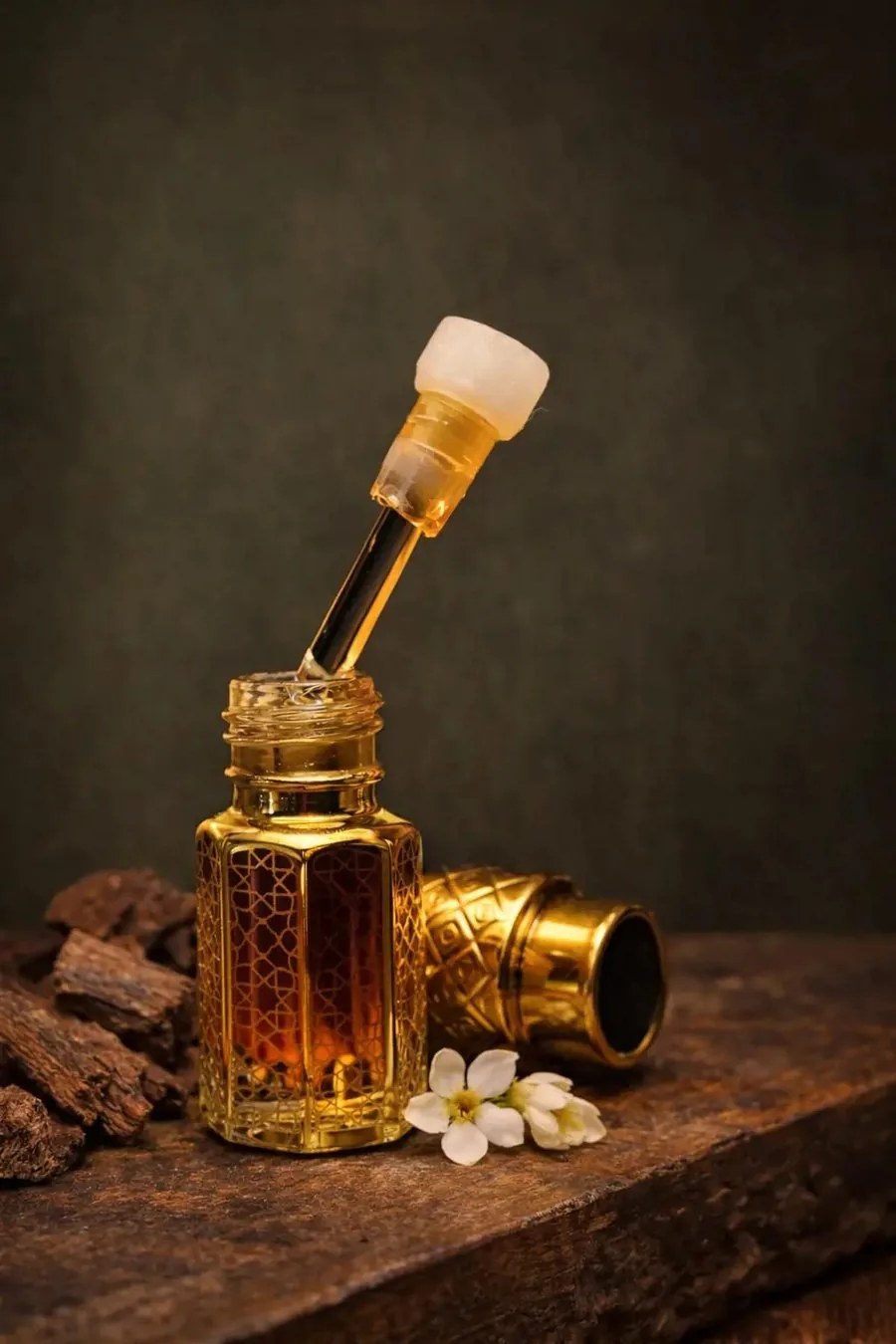
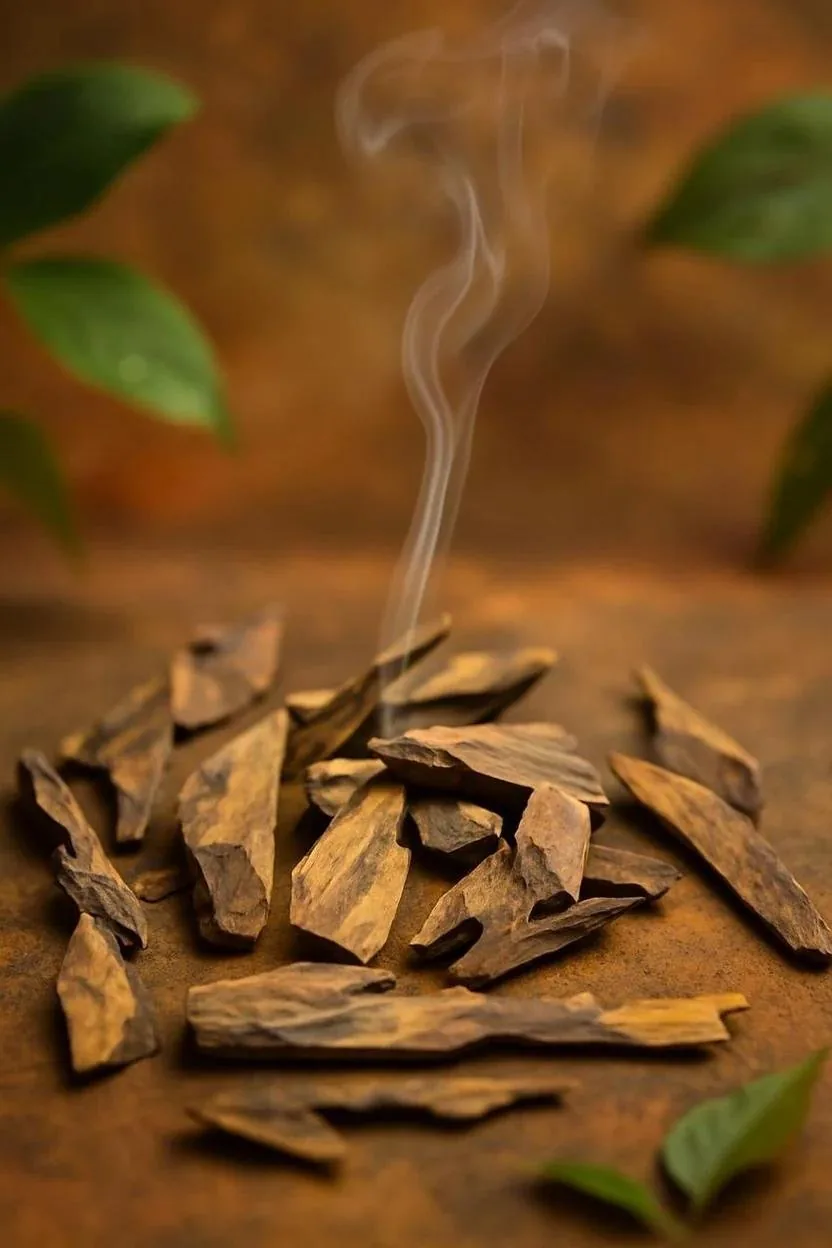
Every agarwood bracelet, incense stick and drop of essential oil at An Việt starts from raw material with a clear origin — and we support independent inspection so you can decide with confidence.
Clear originInspection supportInspect before you accept
Hand-selected natural agarwood
Each batch of raw material is hand-picked by oil veins, scent and wood maturity before it goes into crafting.
Clear origin
We state the sourcing region and the type of agarwood — wild or plantation — right from the start, with no ambiguous names.
Inspection support
If you wish to have a product appraised by an independent inspection body, An Việt will support you with the information and procedures.
Lifetime care
Restringing, cleaning and re-polishing your agarwood bracelet for An Việt customers — so your piece stays with you for the long term.
The An Việt story
Agarwood only becomes fragrant after the tree has been wounded
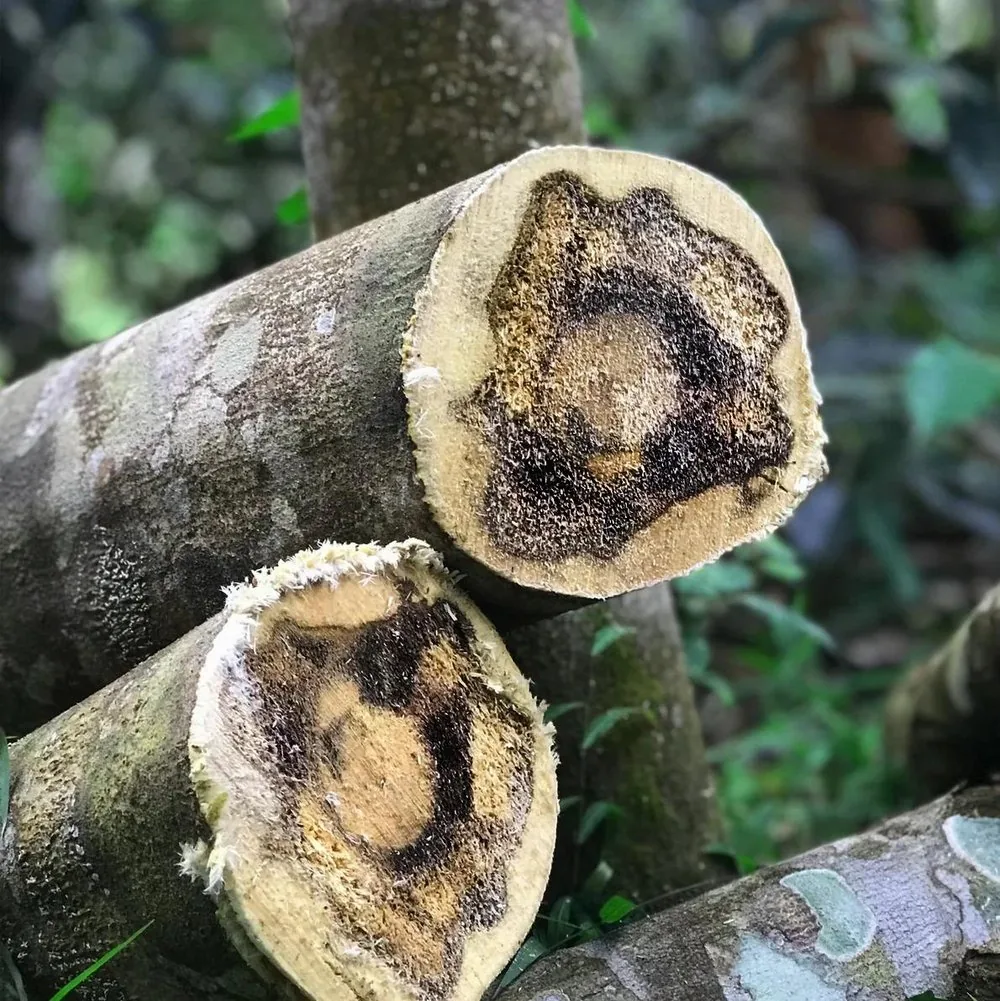
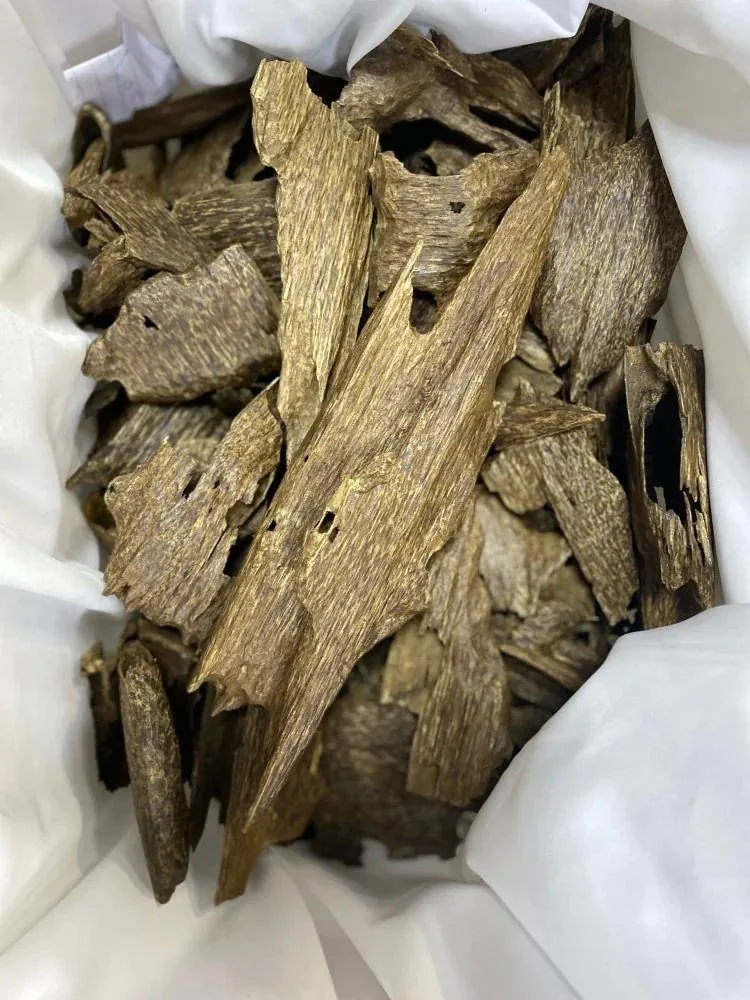
Agarwood is not found in every part of the Aquilaria tree. Only when the tree is wounded — by storms, insects or time — does oily resin gather around the wound over many years, forming the dark, oil-heavy, deeply fragrant wood that Vietnamese people call trầm.
An Việt began with a simple wish: a place that sells agarwood honestly — calling each type by its true name, plantation as plantation, wild as wild, with prices that match the real oil grade and scent. Our raw material is selected from Quảng Nam and Khánh Hòa — two of Vietnam's oldest agarwood regions — then graded, handcrafted and re-checked piece by piece before reaching you.
The word "An" in An Việt means peace: we hope every incense stick and every agarwood bracelet that comes to your home brings calm — and the peace of mind of having bought exactly what you needed.
The Collection
An Việt's six agarwood lines
Each line comes in many designs and grades of raw material. Message An Việt for advice on the piece that fits your needs and budget.
Agarwood bracelets
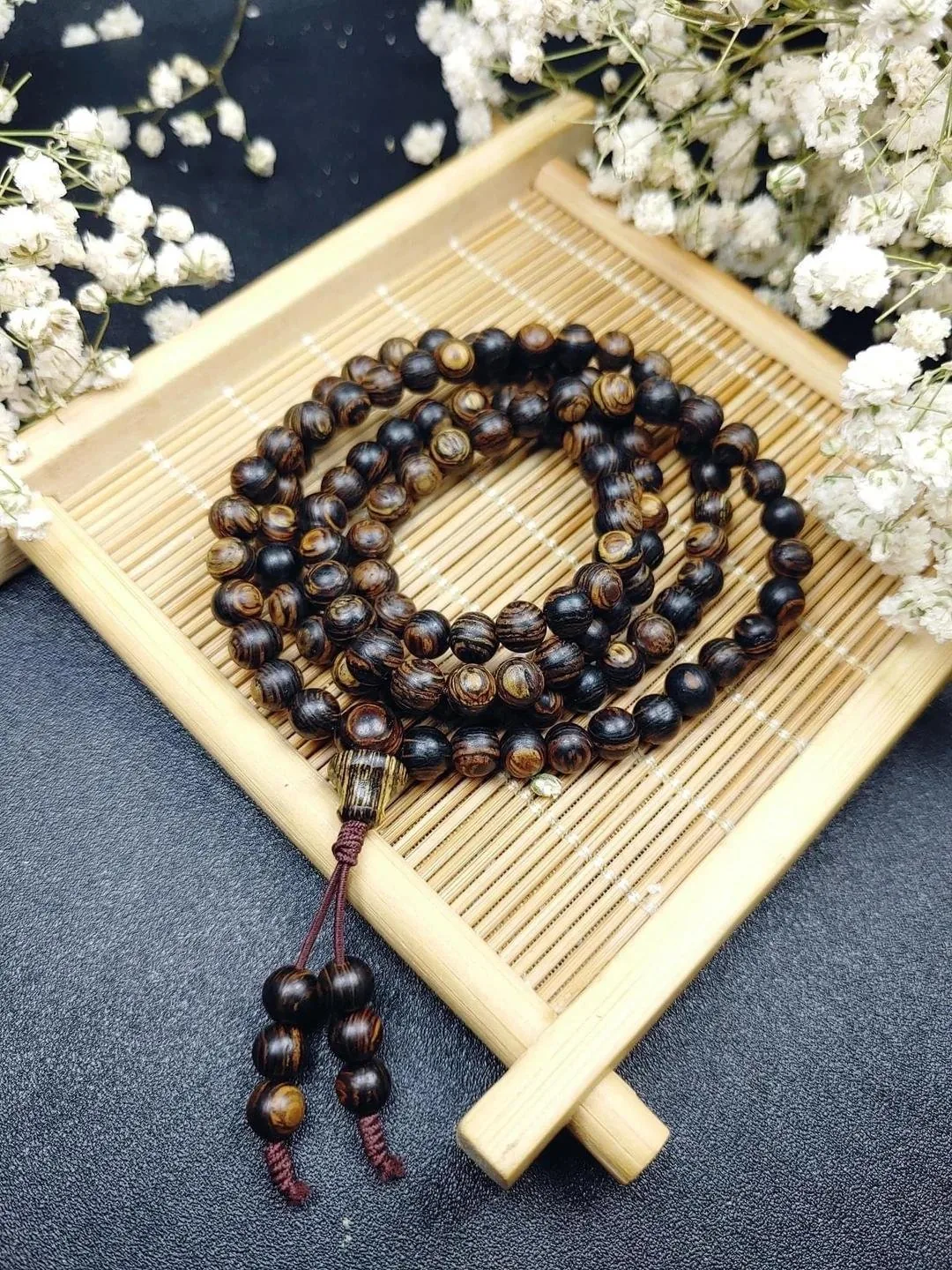
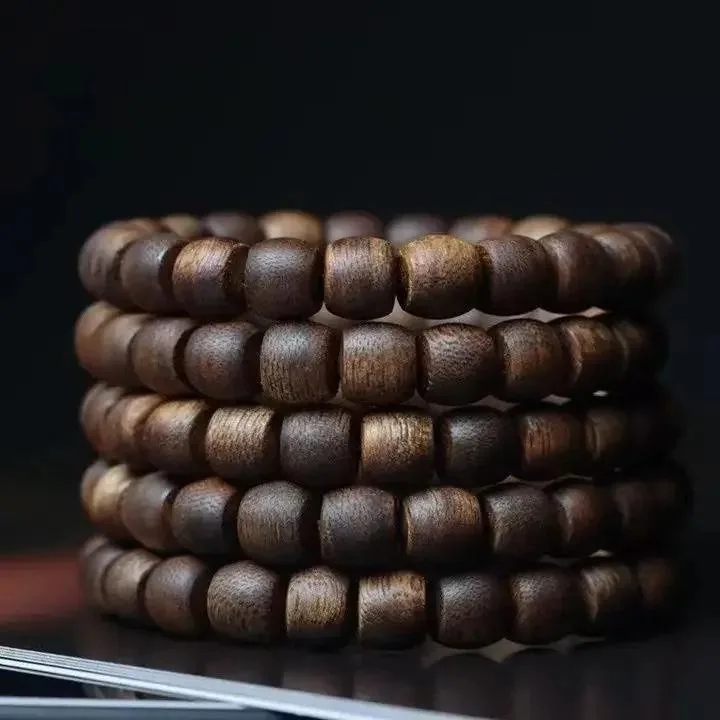
Single-strand round-bead bracelets in many sizes, with natural oil veins and a gentle scent that warms up against your skin.
Samples & reference prices
Quảng Nam plantation agarwood bracelet8 mm beads · for everyday wear300–500k VND
Natural agarwood bracelet10 mm beads · clear oil veins, vivid living scentfrom 1.79 million VND
High-oil natural agarwood bracelet12 mm beads · high oil gradecontact us for advice
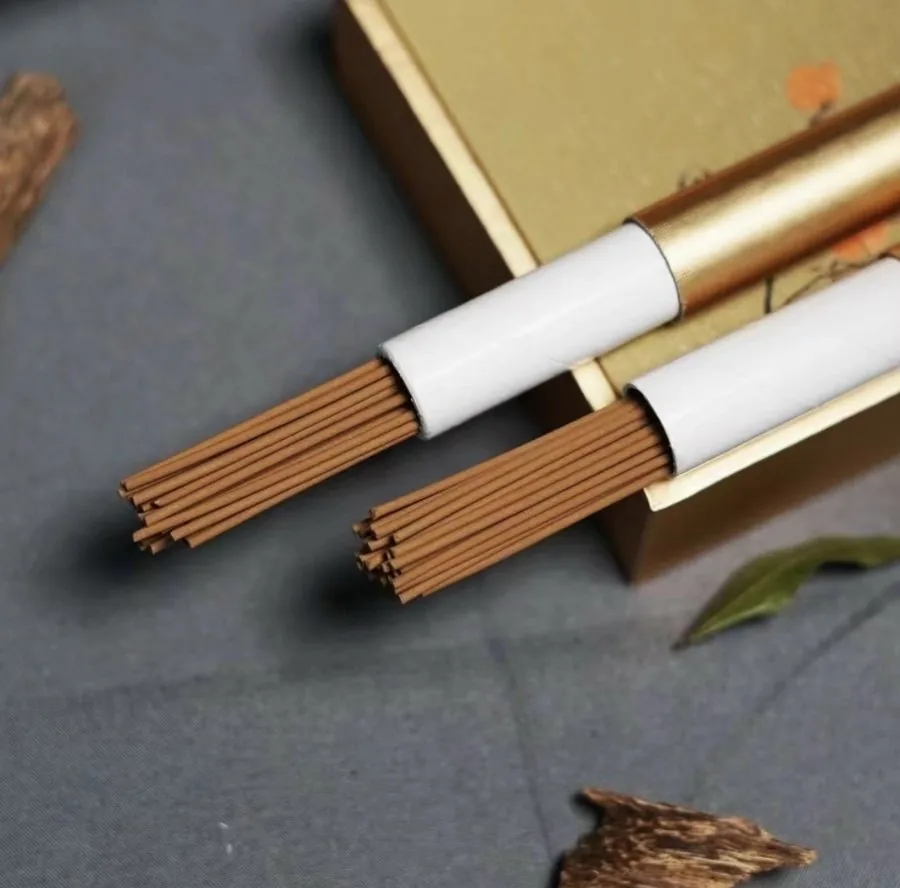
Stick incense, coreless incense and agarwood cones made from clean agarwood powder — light smoke, a warm sweet scent, suited to worship and everyday relaxation.
Samples & reference prices
Stick incense (with bamboo core)Grades 1–3, sold by the kg150k–1 million VND/kg
Coreless incense sticksHandy tubes/boxes, light smoke380k–2.2 million VND/box
Agarwood conesFor burners and backflow waterfalls; also used to repel mosquitoes199k–1.1 million VND/box
A note on prices: the figures above are reference price ranges from the Vietnamese agarwood market (surveyed in November 2026) to help you picture a budget. The price of each specific piece depends on the type of agarwood, oil grade and size — message An Việt for an exact quote on the piece you choose, with real photos and videos of the product.
Agarwood knowledge
Understand agarwood before you buy it
The biggest worry for people new to agarwood is buying the wrong thing. An Việt writes out the essentials — so you can ask and compare with confidence, anywhere.
Post 01
How does natural agarwood differ from plantation and artificial agarwood?
Natural agarwood forms inside wild Aquilaria trees over many years; the oil soaks deep and the scent has a sweet finish that changes with temperature. Plantation agarwood is induced in farmed trees, so the oil builds up for a shorter time — the scent is lighter and the price gentler. So-called 'technology agarwood' is usually wood that has been pressed, boiled or coated with oil to fake the veins and scent.
Read more
All three types have their own place — as long as the seller names them correctly and prices them honestly. What you must avoid is plantation or 'technology' wood sold as natural agarwood. When buying, ask directly: what type is it, from which region, and is inspection supported? A transparent seller will answer transparently.
Post 02
Why can two similar-looking agarwood bracelets differ so much in price?
Two bracelets that look almost identical can differ in price many times over because of four factors: origin (wild or farmed), the oil content in the wood, the scent (its depth and finish), and the rarity of the blank. High-oil bracelets with clear veins, a strong living scent and sinking density belong to the highest value group.
Read more
Conversely, low-oil bracelets with a faint scent, or surface-treated pieces, are much cheaper even if photos look similar. So never compare by photos alone — compare the type of agarwood, the seller's commitments and the inspection policy on delivery.
Post 03
How to choose the right agarwood bracelet size for your wrist
Measure your wrist circumference with a tape (or a string measured against a ruler), then add about 0.5–1 cm so the bracelet sits comfortably. 8 mm beads suit smaller wrists and a light style; 10–12 mm fits most people; 14 mm and above is for those who like a bold, masculine bracelet.
Read more
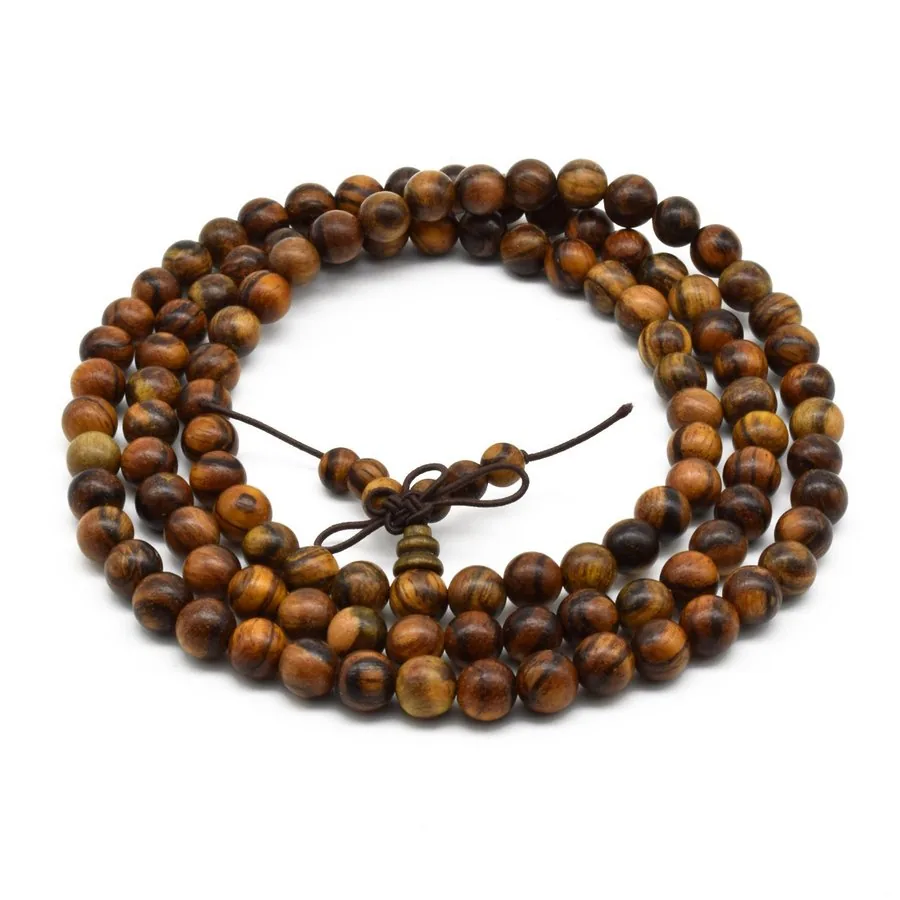
For 108-bead malas, the common bead sizes are 6 mm and 8 mm: 6 mm wraps four times for a slender look, 8 mm wraps three times with a firmer feel. Not sure of your size? Send An Việt your wrist circumference and we will advise the right bead size and count.
Post 04
Caring for bracelets, incense and essential oil the right way
Agarwood bracelets should avoid water, chemicals and direct perfume sprays; when not worn, store them in a closed box with a cloth pouch. Incense and cones need a dry place, away from humidity, to keep their scent and even burn. Keep essential oil in a cool place, away from sunlight, and always close the cap tightly after use.
Read more
A small tip: wearing your bracelet often lets the beads meet the warmth and light sweat of your hand, so the wood gradually takes on a warm colour and a soft sheen. An Việt customers receive lifetime restringing and cleaning support if a cord frays or stretches.
Post 05
Burning agarwood properly for a full, long-lasting scent
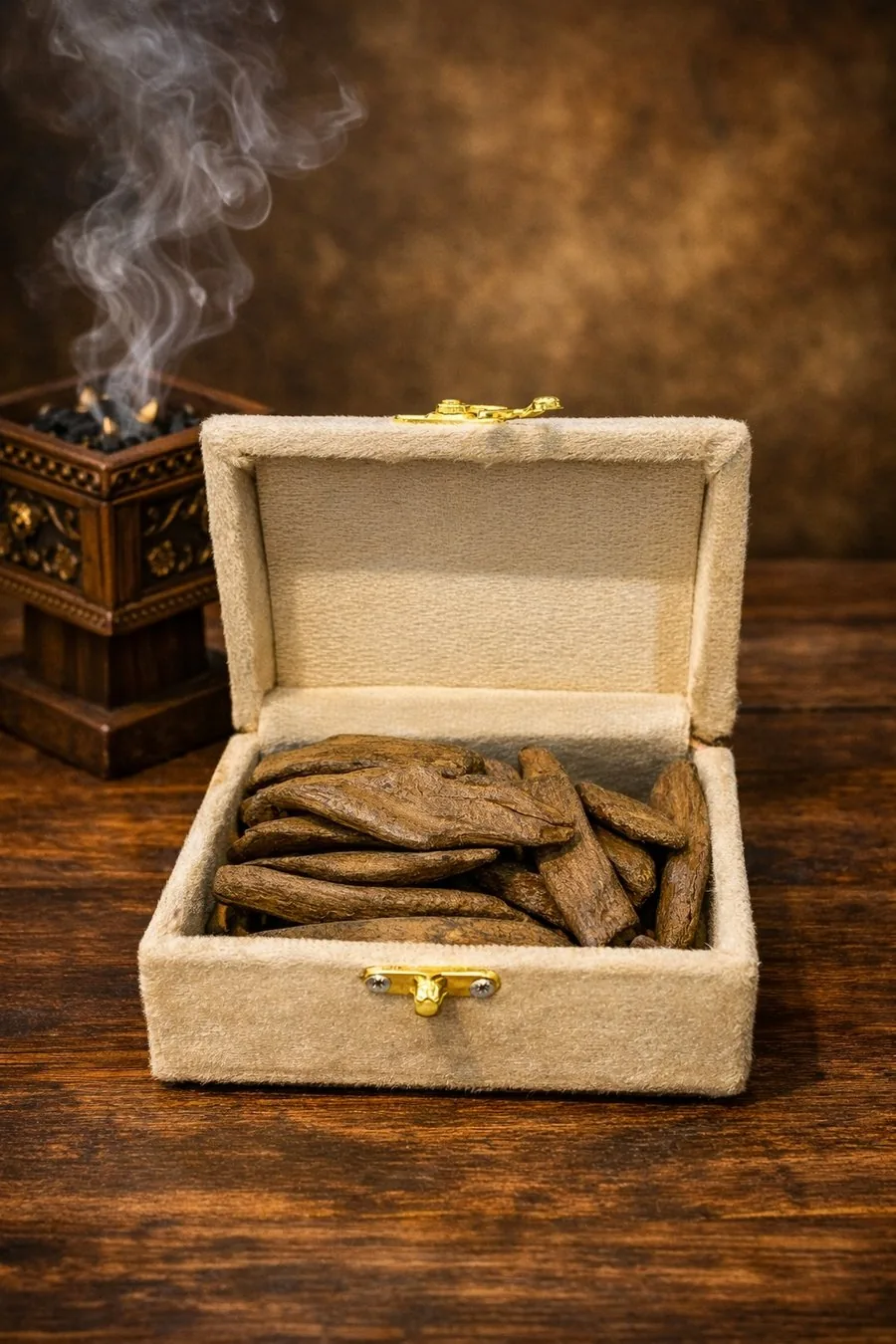
Burning is the most original way to savour agarwood. For agarwood pieces, use an electric burner on low heat, or dedicated charcoal that has burned down to embers, and place the piece on a layer of ash or mica so the scent unfolds slowly without scorching. For cones and coreless incense, simply set them on a heat-proof base, light them, then blow out the flame and let the smoke spread on its own.
Read more
The burning space should be gently sheltered from wind so the scent can settle, yet ventilated enough that the smoke does not grow thick. Start small: one cone or one small piece is enough for a typical living room. Beginners should burn in the evening, when the house is quiet — that is when agarwood's sweet finish shows itself best.
Trầm Hương An Việt Blog
The Agarwood Knowledge Library
All the foundation knowledge An Việt has compiled from scientific sources, the press and the market — kept here for you to read, cross-check, and use whenever you buy agarwood anywhere.
How to read this library: the content was compiled on 20 November 2026 and clearly separates three layers of information — scientific/specialist (academic reviews, IUCN, CITES, documents of Vietnam's Ministry of Science and Technology), press (Lao Động, Thanh Niên, VietnamNet…) and information from sellers (how the market names and prices things — useful for cross-checking, but claims about healing or feng shui are not scientific conclusions). Every price is given with its specific source: the agarwood market has no unified listed price, and the same product name can differ 5–20 times between shops. Where something could not be verified, the article says so openly.
In this English edition, the eight articles of the library are presented as a topic list with a short summary of each. The full articles are available in the Vietnamese edition of this page.
Post 01 · Foundations · Scientific sources
What is agarwood? How it forms in the Aquilaria tree
Agarwood is not a tree species but resin-impregnated heartwood that forms in Aquilaria crassna after wounding and fungal infection — a defence process that takes decades, which is why wild agarwood is so rare. The article walks through the four formation steps and the points sources still disagree on.
Post 02 · Wild agarwood · Sourcing regions
Wild agarwood and Vietnam’s agarwood regions
How agarwood is graded by oil content — tốc, banh, kiến, rục and the sinking grades — and how Vietnam’s famous regions (Khánh Hòa, Quảng Nam, Hà Tĩnh) differ in scent and character, with clear notes on which descriptions are trade experience rather than fixed standards.
Post 03 · Plantation agarwood · Decoding market names
Plantation, induced and “technology” agarwood: decoding market names
The three tiers of the market — wild agarwood, plantation/induced agarwood, and oil-treated wood — the three induction methods (physical, chemical, biological), and what market names such as “sánh” or “trầm công nghệ” really mean, so you do not pay a wild price for plantation wood.
Post 04 · Kỳ nam (kyara) · Unverified points stated openly
Kỳ nam (kyara): why it is so rare, the four grades, and the truth about prices
Kỳ nam is the rarest, most oil-saturated form of agarwood, traditionally ranked white, green, yellow and black. Quoted prices differ by dozens of times between sources and no verified public market price exists — this article shows every source side by side instead of picking one number.
Post 05 · Real vs fake · At-home checks
Telling real agarwood from fake: what home tests can and cannot do
Oil veins, the living scent and the smoke when burning are the most useful signs. The water-sinking test and burning a bead are unreliable and can damage your bracelet. The article also lists the six most common faking techniques, from oil-pressing to frankincense sold as “agarwood oil”.
Post 06 · Reference prices · Listed November 2026
Agarwood reference prices: always read a price together with its source
Retail list prices for raw agarwood, single bracelets, 108-bead malas, oud oil, incense, cones and agarwood pieces, collected shop by shop — because the same product name can mean 500,000đ or several million đồng depending on oil grade and seller positioning.
Post 07 · How to use · Care & storage
How to use each type of agarwood — and store it properly
Wearing bracelets and malas, diffusing or diluting oud oil safely, burning incense and chips on charcoal or an electric burner, and the storage rules that keep the scent alive: avoid water, chemicals and harsh sun; wipe after wearing; keep in closed boxes.
Post 08 · Health · Appraisal · CITES law
Health risks, appraisal and the law: what agarwood buyers need to know
The documented health risks come from chemically treated incense, not from clean agarwood. All Aquilaria species are CITES Appendix II and A. crassna is Critically Endangered — the article explains what a CITES permit does and does not certify, and why origin paperwork matters.
Why choose An Việt
From raw agarwood to your hands
1
Sourcing raw material from Quảng Nam – Khánh Hòa
Two Vietnamese regions prized by agarwood connoisseurs are our main source of raw material, selected batch by actual batch.
2
Grading by oil and scent
Each batch is graded by oil content, wood grain and scent layers, so it goes into the right product line at the right price level.
3
Handcrafted
Beads are turned, sanded and polished by hand to keep the wood's natural oil veins — no chemical gloss to hide flaws.
4
Careful checking before dispatch
Every product is re-examined for grain, scent and finish before it is packed and sent.
5
You inspect the goods before accepting them
You may open the parcel, hold, smell and check the product in person before accepting it — An Việt's transparency commitment from day one.
Customer voices
The first reviews
Our first customer reviews are on their way.
An Việt is a new brand and we choose honesty: until there are real reviews, we post none. When our first customers have tried the products and agree to share, their words will appear here — verbatim, together with the product they bought.
Q&A
Frequently asked questions
How is natural agarwood different from plantation agarwood?
Natural agarwood accumulates oil inside wild Aquilaria trees over a long time; its scent is deep with a sweet finish, and its value is higher. Plantation agarwood is induced in farmed trees, so the oil builds up for a shorter time — the scent is lighter and the price more accessible. An Việt states the type of agarwood for every product and advises according to your real needs and budget.
Do products come with an inspection certificate?
For high-value products, or whenever you request it, An Việt supports sending the product for appraisal at an independent inspection body and guides you through the procedure. Just talk to us before ordering so we can advise the right option.
Can I inspect the goods before accepting them?
Yes. An Việt orders let you open and inspect the product in person — look at the grain, smell the scent, try the bracelet on — before accepting it and paying any remaining balance (if any).
How should I care for an agarwood bracelet so the scent lasts?
Keep the bracelet away from prolonged contact with water, soap, perfume and chemicals. When not wearing it, store it in a closed box or a cloth pouch to preserve the scent. Wearing it often helps the bracelet develop a warm colour and a natural sheen. If the cord frays or stretches, An Việt supports its customers with lifetime restringing and cleaning.
How do I order a corporate gift set?
Message An Việt on our Facebook Page with three details: the number of sets, the expected budget per set, and the occasion (Tết, client appreciation, an event…). We will propose the set structure, box samples and card options for your approval before production.
Still not sure which type of agarwood to choose?
Just message An Việt with your needs — everyday wear, worship, relaxing burning, or a gift. We advise honestly according to your budget, even if you need more time to decide.